Indigenous Students and Researchers in Latin America
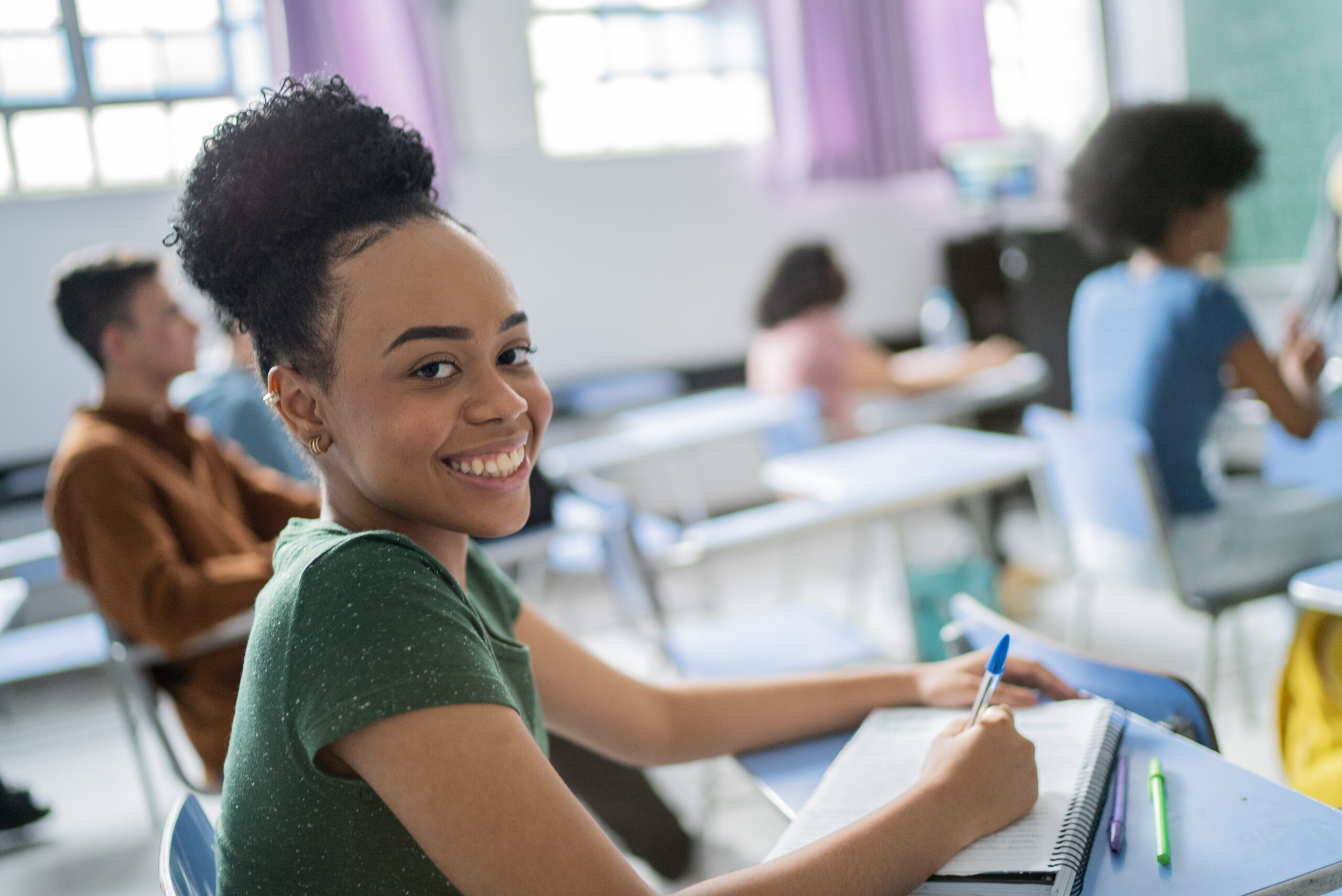
Indigenous voices in Latin America have often been underrepresented in intellectual and policy discussions. The underrepresentation of indigenous students and researchers limits the diversity of perspectives in academia and policymaking, restricting access to opportunities that could enhance their contributions to sustainability in their communities and beyond.
A Vision for Collaboration
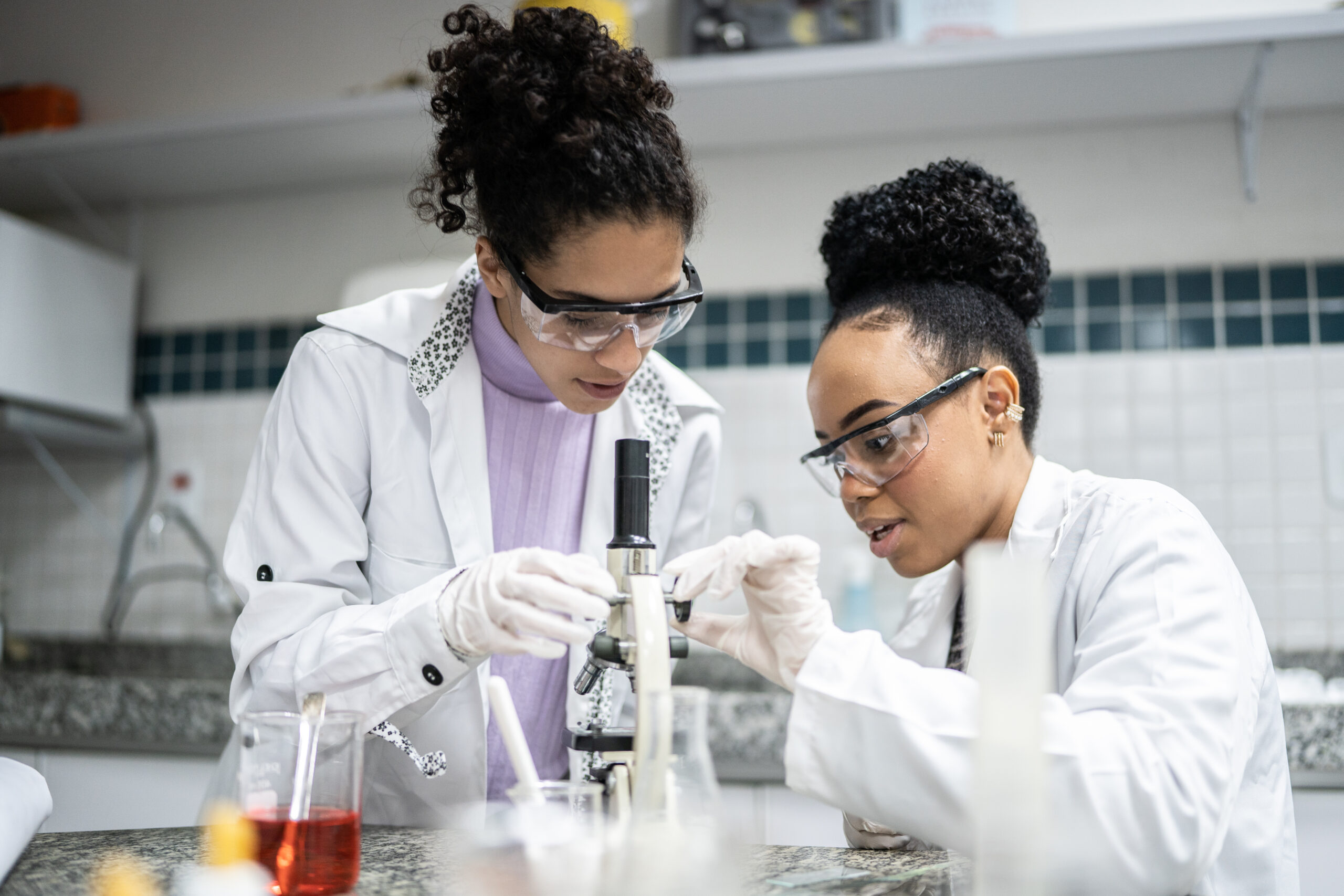
We understand the need for initiatives where indigenous students and researchers are not just participants but recognized as co-creators of knowledge for a sustainable future. Their profound understanding of their territories and ecosystems, cultivated over generations, is an invaluable asset in the quest for sustainable solutions to environmental and social challenges. In response, our project aims to forge a model of engagement that goes beyond conventional boundaries, inviting indigenous people to share, learn, and innovate alongside their peers, educators, and researchers across various disciplines involved in sustainable development.
Indigenous Knowledge, STEM and Sustainability
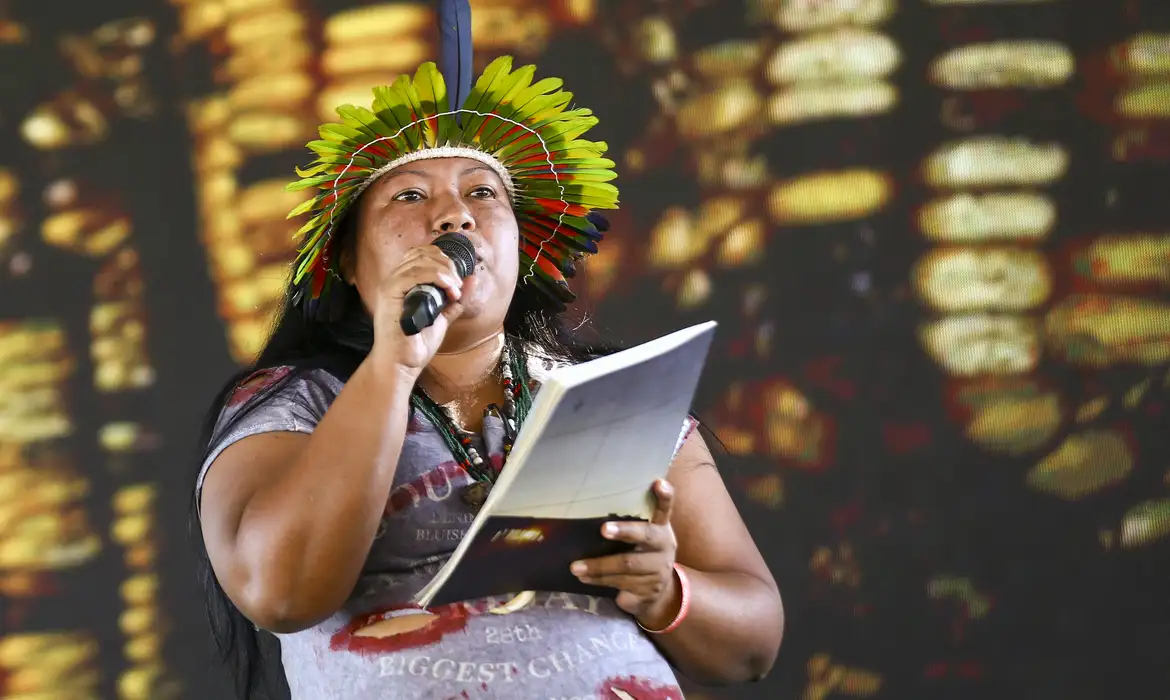
Brazil is home to more than 1.6 million Indigenous people, whose communities hold extensive environmental knowledge developed through long‑standing relationships with land, ecosystems, and natural resources. These knowledge systems offer valuable insights into biodiversity protection, climate resilience, and sustainable land use.
Despite their relevance, Indigenous perspectives remain largely underrepresented within formal STEM education pathways. Indigenous students participating in regional higher education dialogues, including the 2024 Regional Conference on Higher Education in Latin America and the Caribbean (CRES+5), highlighted that equitable participation in STEM requires not only access to education, but also institutional recognition of Indigenous knowledge systems as relevant to scientific and sustainability‑focused inquiry.
A Structured Co Creation Model
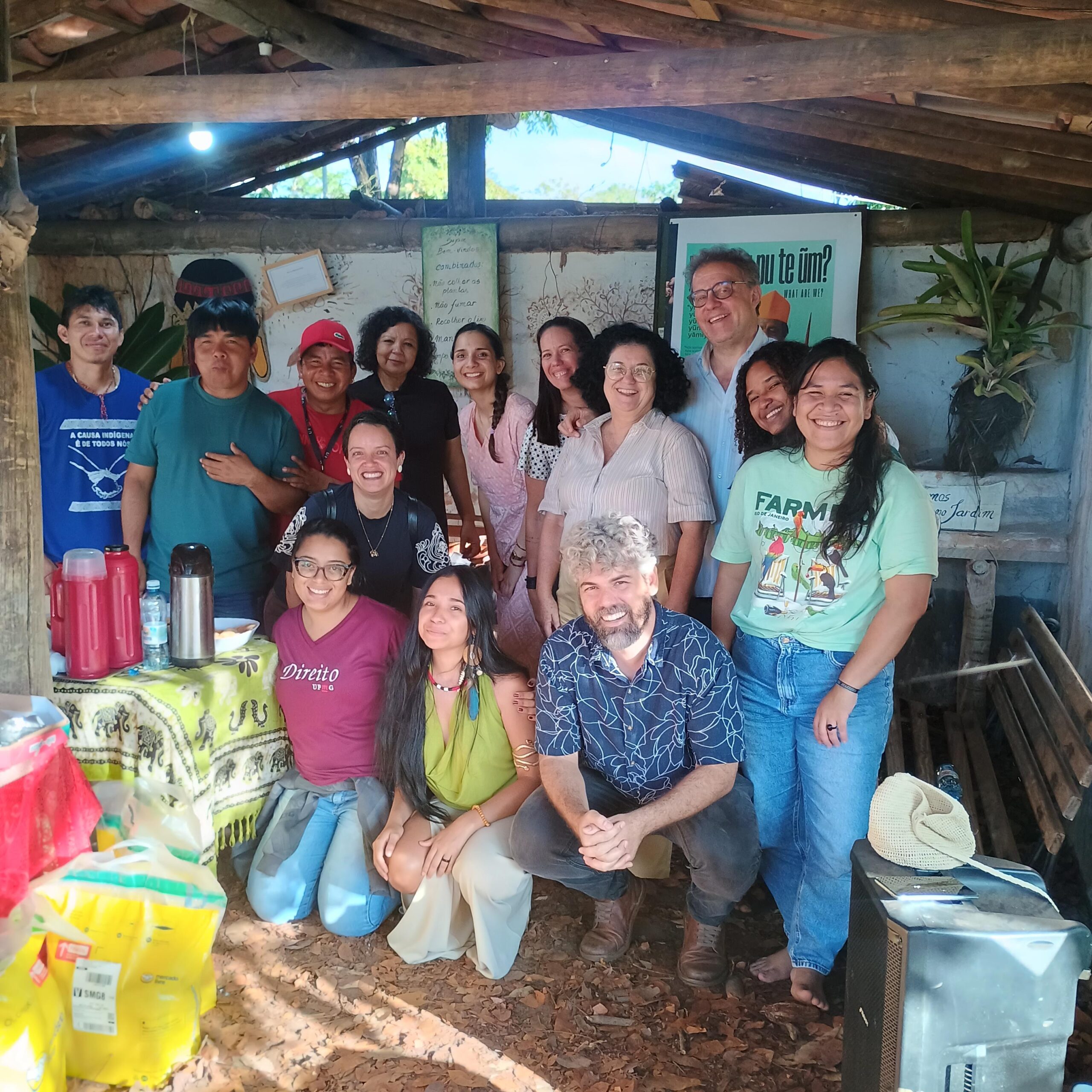
Rather than applying a predefined program, the project adopted a co‑creation approach based on consultation, dialogue, and free, prior and informed engagement. Indigenous students, academic staff, institutional leaders, and project partners were involved from the earliest stages of the initiative.
This approach ensured that Indigenous academic perspectives informed project design, methodology, and delivery. Research and engagement methods were adapted to prioritize culturally responsive practices, reinforcing trust and strengthening the quality of institutional engagement.
Key objectives
enabling Indigenous students and higher education stakeholders to engage on sustainability challenges through multiple knowledge systems.
on the integration of Indigenous perspectives within STEM education.
among universities, Indigenous students, and sustainability stakeholders
Project Timeline
September 2024
United Nations Summit of the Future Action Days Official Off-Site Side Event
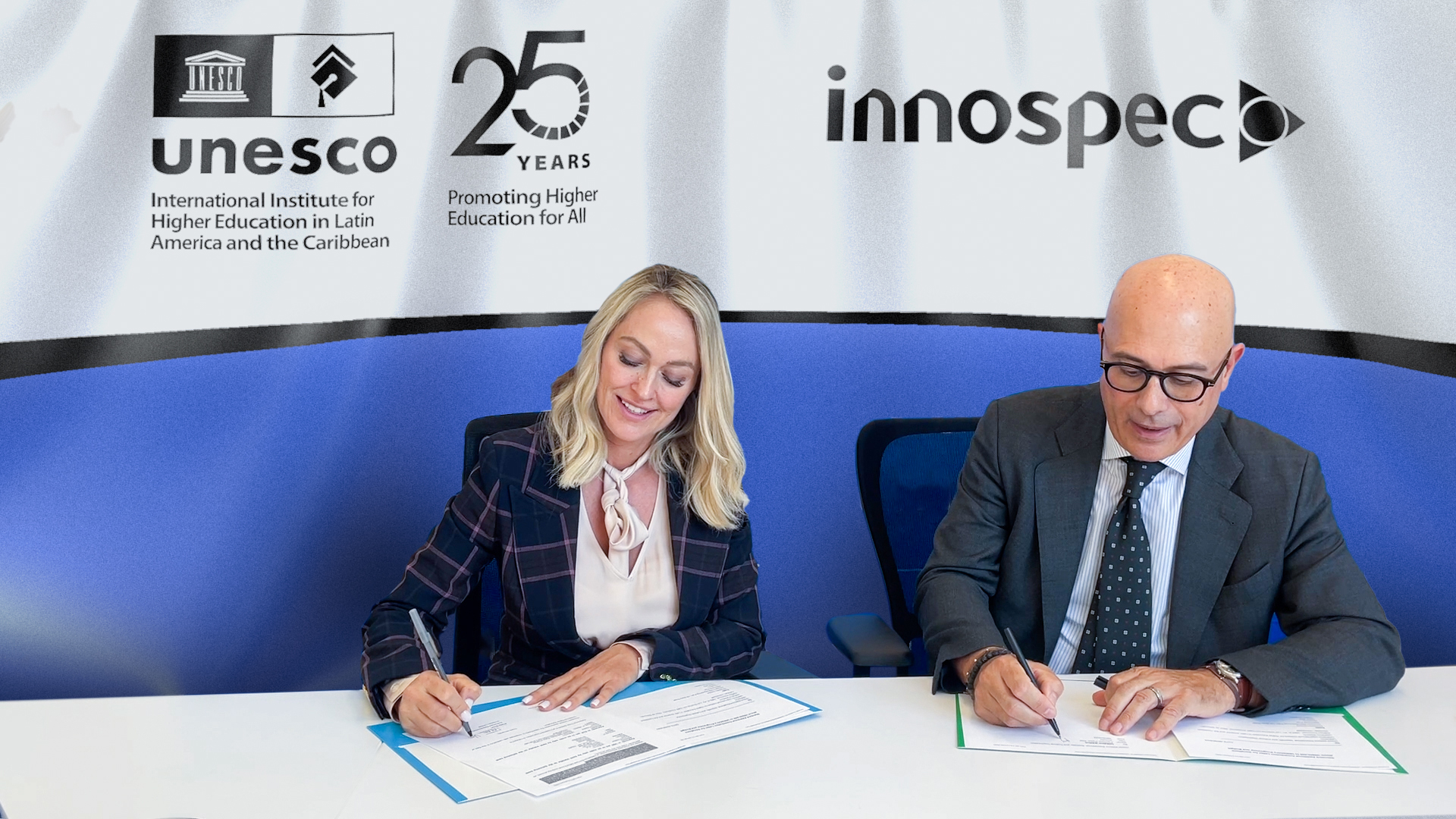
The project was publicly launched during an unofficial side event at the United Nations High‑Level Week in New York in September 2024. The event brought together approximately 90 participants from academia, international organizations, youth networks, civil society, and the private sector. It positioned the initiative within broader discussions on inclusive STEM education and sustainable development.
June – September 2025
Project kicked off with baseline research
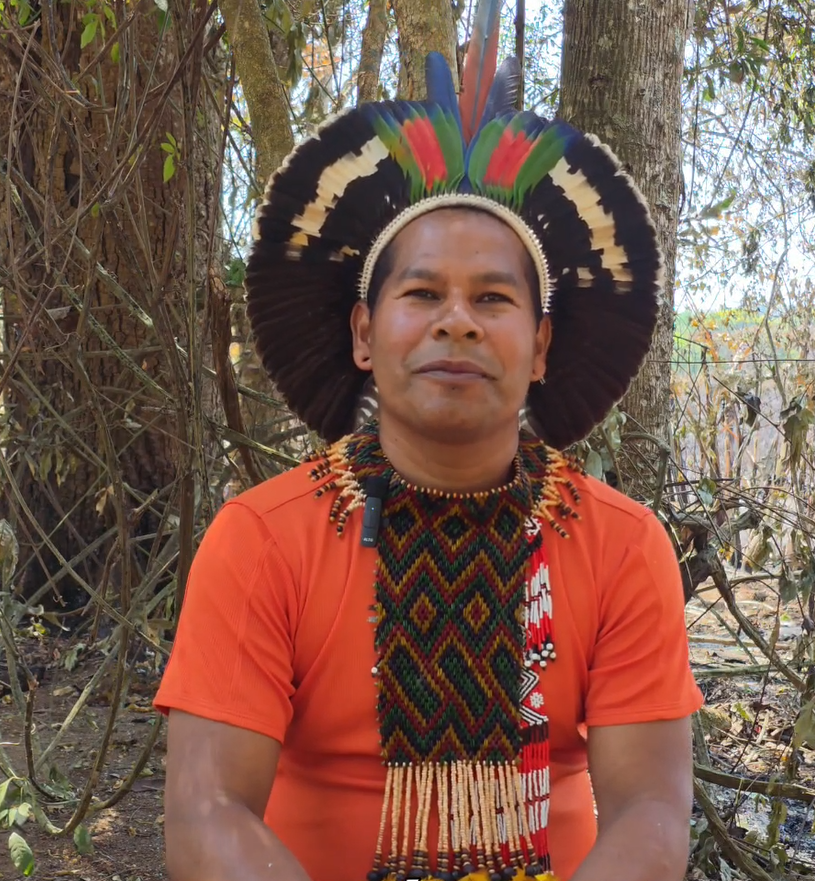
The project began with an initial baseline assessment to understand current knowledge, expectations, and perspectives of indigenous people and other STEM stakeholders. This included analysis of existing research, nine interviews and six consultations with a diverse range of participants.
November 2025
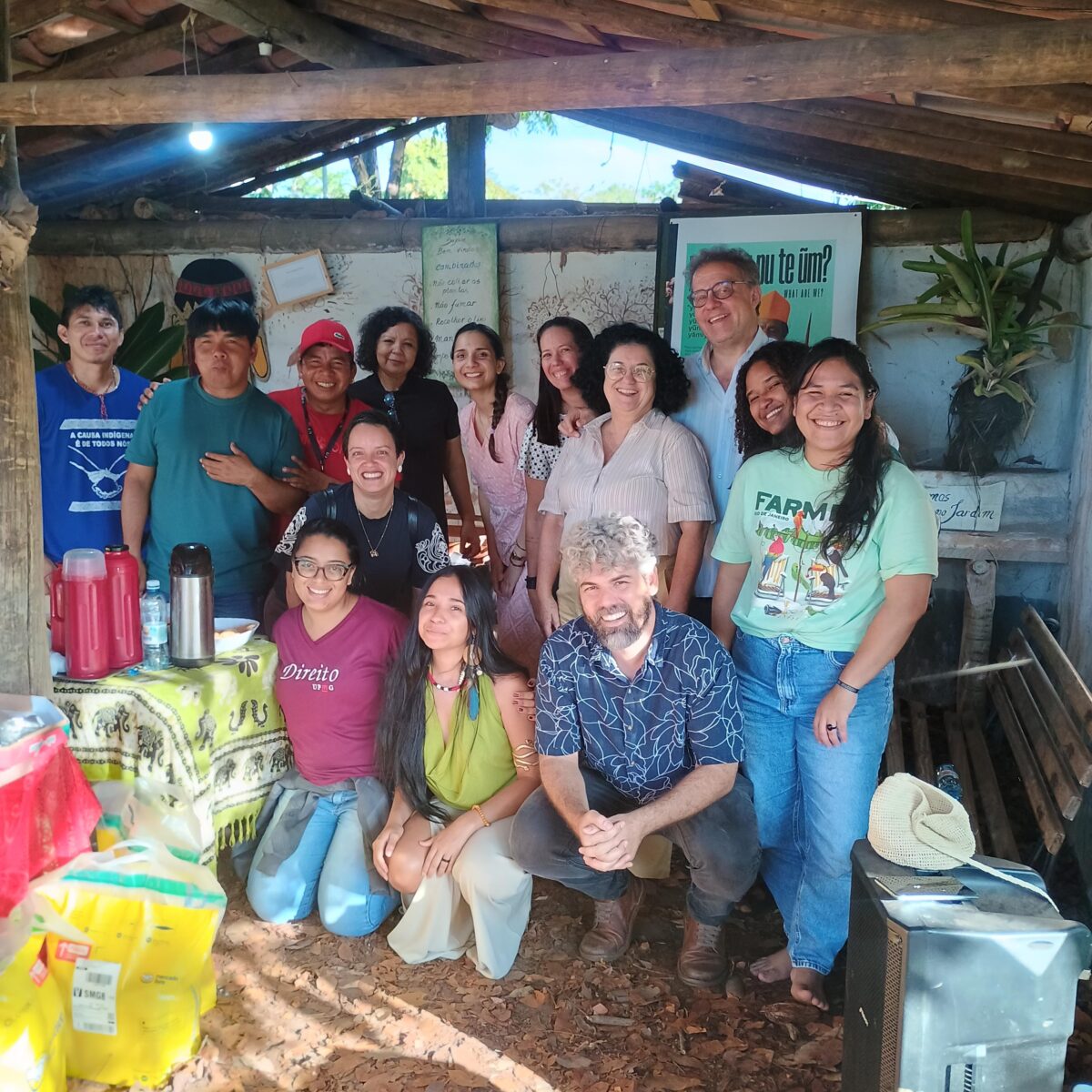
Interculturality in STEM workshop
The project culminated in the Interculturality in STEM Workshop, hosted at UFMG in November 2025. The workshop brought together 40 participants, predominantly Indigenous university students from diverse disciplines. A key outcome was the collective drafting of a protocol letter addressed to university leadership, consolidating recommendations for continued institutional dialogue and future action.
December 2025
Online forum to create continued learning opportunities
An online platform was established to support ongoing intercultural dialogue among indigenous students and researchers, educational institutions, and the broader scientific community.
April 2026
Best practice report and webinar
UNESCO published a best practice report and hosted a webinar to share the key outcomes of the project which can be found below.